

News
26/05/2026
VIS JSC has implemented a new laboratory and testing complex for the development of component base of hydraulic braking systems
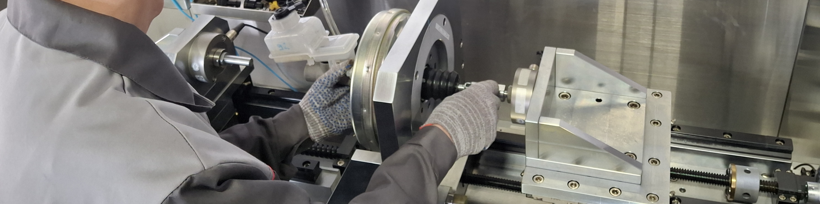
VIS JSC (an enterprise of the OAT Group, part of KAMAZ PTC) has launched a factory laboratory and testing complex for developing the Russian component base of hydraulic braking systems.
A modern factory laboratory and testing complex has been formed on the territory of the Tolyatti industrial site as part of an industry project aimed to create components for hydraulic braking systems. The complex is based on a completely rebuilt warehouse (production) facility and is equipped with advanced equipment that allows for a full cycle of tests and measurements.
The laboratory and testing complex includes five specialized stands: a stand for measuring brake characteristics, a stand for cyclic testing of drum and disc brakes, a stand for testing the reliability of drum and disc brakes, a stand for testing the reliability of vacuum boosters with a master brake cylinder, as well as a two-post stand (pneumatic and hydraulic) for measuring characteristics of vacuum boosters with a master brake cylinder.
NAPI (National Industrial Information Agency)
Other news from section:
26.05.2026
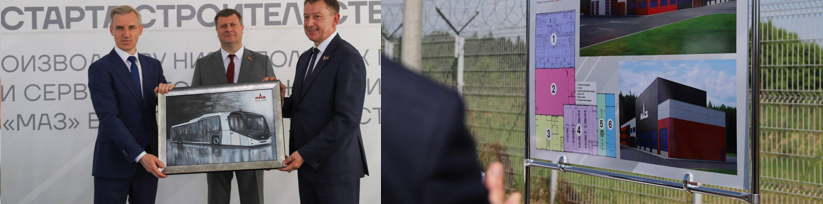
A center for producing low-floor apron buses and MAZ vehicle maintenance will be opened in the Smolensk region. The start of its construction was given on May 22, 2026. It is planned to build an administrative and residential complex with office premises, a pre‑sale area, service boxes, and a paint chamber. A separate production building will be adjacent to the complex, where low-floor apron buses will be produced, which will fill the vacant...
26.05.2026
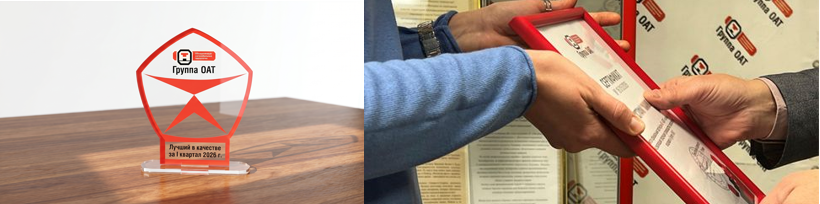
The OAT Group (part of the KAMAZ PTC) has summed up results of the production quality rating of enterprises for the first quarter of 2026.
The rating was conducted in order to objectively assess the effectiveness of the quality management system, identify best practices and priority areas for further development. As part of the assessment, more than 14 key indicators were analyzed, covering all stages of the production cycle – from input...
News archive